
Understanding Co-Occurring Disorders: Why Integrated Treatment Is Essential for Recovery
- laurengrawert
- Jan 26
- 3 min read
It's a core feature of the human experience...not a flaw.

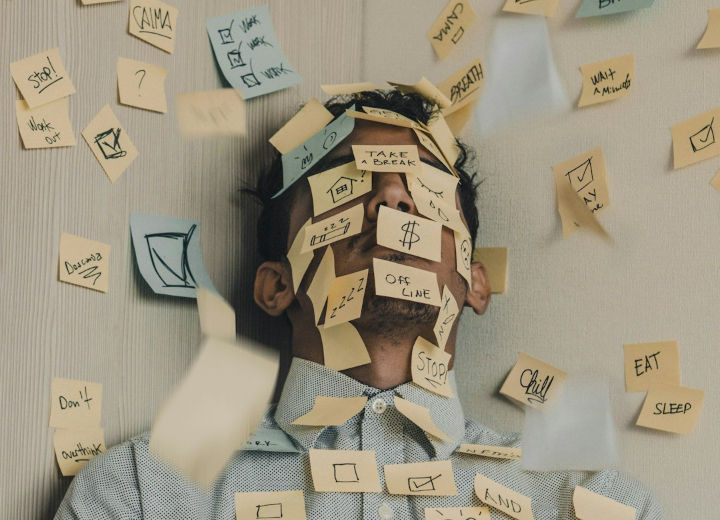
Photo by Sydney Latham on Unsplash
What Are Co-Occurring Disorders?
Co-occurring disorders—also known as dual diagnoses—refer to the presence of both a substance use disorder (SUD) and a mental health condition in the same individual. This combination is far more common than most folks realize. In fact, more than half of those who experience a substance use disorder will also experience a mental illness during their lives, and vice versa.
Examples of common co-occurring pairs include depression and alcohol use disorder, anxiety and stimulant misuse, and Post Traumatic Stress Disorder (PTSD) and opioid use disorder. In patients with a military or combat history, concurrent PTSD and alcohol use disorder is also a common presentation. These disorders can occur in any order or combination, but their interaction typically worsens the course and prognosis of both, presenting additional challenges with recovery.
Why Do These Disorders Often Occur Together?
The overlap between mental health and addiction is not coincidental—it’s deeply rooted in how people experience and attempt to manage distress. Individuals struggling with emotional discomfort, such as anxiety, sadness, intrusive memories, or emotional numbing, often turn to substances as a form of self-medication: a way to quickly escape uncomfortable thoughts and feelings. The desire to escape suffering is a universal human experience.
Alcohol, cannabis, opioids, and other drugs can provide temporary emotional relief-a shift in mood and perception. For someone living with untreated depression or trauma, that change can feel like a lifeline. Unfortunately, this coping strategy is usually unsustainable. It often leads to dependency and worsening mental health symptoms over time. I call it the trampoline effect: emotional distress temporarily subsides with substance intoxication. But as the neurological effects of the substance wear off, the mood symptoms quickly rebound with even greater intensity. To alleviate the stronger distress and mitigate tolerance, folks often use even larger quantities of their substance of choice. It becomes a vicious cycle on the mood trampoline.
From a neurobiological standpoint, chronic stress and emotional dysregulation impact the same brain circuits involved in reward, impulse control, and mood. When these systems are dysregulated, people become more vulnerable to both psychiatric illness and substance misuse. It’s not a weakness—it’s just human biology.

Why Treating Both Disorders Together Is Critical
Historically, mental health and addiction treatment systems have been siloed. Patients were often told they needed to achieve sobriety before receiving treatment for depression or anxiety. Conversely, those seeking help for mental illness might be turned away if they were actively using substances. When I worked for a large HMO just a few years ago, we had “chemical dependency therapists” and “mental health therapists,” but not therapists who treated both conditions together. This fragmented model is outdated and unhelpful.
Extensive research and clinical experience show that treating only one condition while ignoring the other leads to worse outcomes. If a patient with untreated bipolar disorder stops using cocaine but receives no mood stabilization, their risk of recurrence is extremely high. Their mood instability becomes more noticeable and pronounced. Similarly, treating PTSD without addressing ongoing alcohol misuse may prevent any meaningful therapeutic gains as well as reduce medication efficacy.
Integrated treatment—where both the mental health and substance use disorder(s) are treated concurrently by the same team—is the gold standard. This approach improves outcomes by addressing the root causes of distress and the behaviors that maintain the cycle of addiction. It also fosters a more compassionate, comprehensive, stigma-free environment for recovery.
Moving to Modern Models of Integrated Care
For decades, treatment systems operated under the false assumption that mental illness and addiction should be treated separately. Today, we know better. Co-occurring disorders are the rule, not the exception. They are a natural consequence of the human experience and the universal desire to escape suffering. A feature of the system, not a flaw. They arise from closely connected biological and emotional vulnerabilities and must be addressed together. Integrated treatment is not just more effective—it’s essential.
Recovery becomes possible when we stop asking patients to choose between their diagnoses and instead offer compassionate care for the whole person.
If you or someone you love is struggling with a co-occurring disorder, know that healing is possible—and you don’t have to choose which part of yourself deserves care. You deserve support for it all.
-Lauren Grawert
TAGS: #laurengrawert #advancedpracticepartners #wisconsin #mentalwellness #2025 #2026 #health #oped #wisdom #hipaa #psychiatrists #pmhnp #therapists #psychology #medical
LINKS: advancedpracticepartners.com | The White Coat Warrior | WIKI LINKEDIN | Lauren Grawert | Robert Glenn | Jon Snipes
© 2026


Comments