
What TikTok Doesn’t Tell You About Mental Health Meds
- laurengrawert
- Dec 15, 2025
- 3 min read
What you won't find in the algorithm...

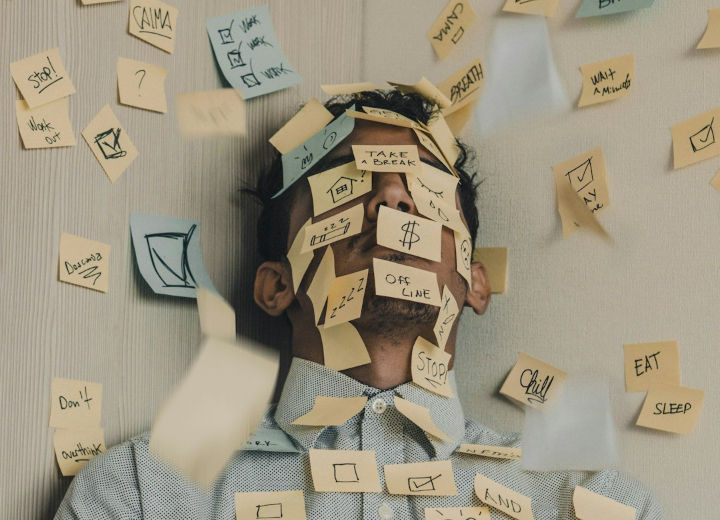
Photo by Alexander Shatov on Unsplash
If you scroll through TikTok and Instagram long enough, you’ll likely find mental health content—some of it funny, some raw, some deeply relatable. Mental health awareness is trending. That’s a good thing. But more coverage is not always evidence-based coverage. Here are four of the most common social media inspired myths about meds:
💊 “Meds Are a Last Resort Option”
One of the most damaging myths circulating is that psych meds are a “cop-out” or only for people who are “really bad off.” In reality, medications like antidepressants, mood stabilizers, and stimulants are clinically proven to reduce even mild to moderate mood symptoms and improve daily functioning. Just like diet and exercise are needed for healthy weight management, therapy AND medications are both basic pillars for mental health stability. Meds are a starting point. Not an end point.
🚫 “Big Pharma Wants You Hooked”
In our current political environment, there’s a growing wave of skepticism about psychiatric meds framed as an anti-pharma movement—but it oversimplifies the truth. Yes, pharmaceutical companies should absolutely be held accountable for unethical practices. But that doesn’t mean every person who takes medication is a pawn in a financial conspiracy. And it doesn’t mean psychiatric medications aren’t safe and effective. We can and absolutely should demand increased financial transparency behind the businesses that make medications, without losing sight of the important and valid role these medications play in many individuals’ lives.
“Doctors Just Prescribe Medications to Make Extra Money”
This is one of my favorites…because it is so wrong! As an active, prescribing physician, I make the exact same amount of money if I prescribe zero medications or fifty medications.
Healthcare providers are paid by insurance companies based on A) the amount of time spent with the patient, and/or B) the clinical complexity of the patient’s needs-a framework commonly referred to as “Medical Decision Making” (MDM). MDM billing is based on the number of diagnoses/conditions addressed during the visit, complexity of the diagnoses, risks associated with the patient’s condition, potential complications from treatment, ordering and interpretating of labs, and social determinants of health. MDM billing is NOT based on the number of medications doctors prescribe. Period. Full stop.
📉 “You’ll Feel Better Right Away”
Many creators unintentionally spread the idea that meds are instant fixes. The reality? Most antidepressants take 4–6 weeks to show full therapeutic effects. Finding the right med or dose can involve some trial and error. That doesn’t mean they’re not working—it just means that psychiatry is both art and science.

Social media is amazing. It has the potential to destigmatize and inform—but it can also confuse and mislead. Don’t let TikTok be your psychiatrist. If you’re struggling, talk to a licensed provider who can help you make an informed, personalized decision—algorithm not included.
Our mental health deserves more than a trending audio clip. It deserves thoughtful conversation, evidenced based decision making, and providers who listen and care.
Psych meds aren’t magic, and they’re not for everyone. But for many, they are a life-changing part of recovery. And that’s a story worth telling.
-Lauren Grawert
TAGS: #laurengrawert #advancedpracticepartners #wisconsin #mentalwellness #2025 #health #oped #wisdom #hipaa #psychiatrists #pmhnp #therapists #psychology #medical
LINKS: advancedpracticepartners.com | The White Coat Warrior | WIKI LINKEDIN | Lauren Grawert | Robert Glenn | Jon Snipes
© 2025


Comments